
Unlock Inner Radiance With Affirmations For Beauty
Discover powerful affirmations for beauty to build self-love and confidence. Use daily to transform your self-perception and radiate.
What if beauty affirmations worked less like wishful thinking and more like mental training you can use each day?
The phrases you repeat to yourself shape attention, mood, and behavior. If your inner voice is harsh, your body often carries that strain. You see it in how long you linger in the mirror, how quickly you compare yourself, and how hard it becomes to enjoy caring for yourself. Beauty affirmations help shift that pattern by giving your mind a steadier script to return to.
That shift matters. Research and public conversations around body image have long shown how rarely people describe themselves as beautiful, and how persistent self-criticism can become in daily life. Affirmations will not erase insecurity overnight, and they are not a substitute for deeper healing when self-image struggles run deep. What they can do is interrupt automatic negative thoughts and create a more supportive baseline.
The difference is practice. A beauty affirmation needs to feel believable enough for your nervous system to stay open to it. It also needs a clear moment in your routine, or it turns into another nice idea that disappears by lunch.
That is the approach here.
Each affirmation below includes the psychological job it does, why it helps, and a concrete way to use it in I Become so the phrase becomes part of your morning, mirror time, skincare routine, or reset after a hard day. The goal is not to chase a perfect mindset. The goal is to build a daily ritual that makes self-respect easier to feel and easier to repeat.
1. I Am Beautiful Inside and Out
This is the affirmation I return to when someone feels split in two. They may care for their appearance, but still feel unworthy. Or they may value their personality and heart, yet struggle to accept what they see in the mirror. This phrase brings those parts back together.
It works because it doesn't reduce beauty to one trait. You're not trying to prove that your face, body, or style alone makes you worthy. You're reinforcing a fuller truth. Your kindness, presence, humor, resilience, and physical presence all belong in the same picture.

How to make it land
Say this one during your morning routine, not at the end of a hard day when you're already spiraling. The best moment is while brushing your hair, applying skincare, or getting dressed. You want your brain to pair the words with a calm, ordinary moment.
In I Become, use Speak mode and say it while looking at yourself. Hearing your own voice matters. It turns the affirmation from something you consume into something you claim.
Beauty work goes deeper when the mirror stops being a courtroom and starts becoming a place of recognition.
A good real-world use case is before a workday, a class presentation, or any social setting where insecurity tends to get loud. Instead of waiting to feel confident first, you practice the thought that creates a steadier version of confidence.
- Morning cue: Set this as an early notification so it reaches you before texts, meetings, or social media.
- Mirror pairing: Keep the wording simple and repeat it three times while making eye contact with yourself.
- Gentle tracking: Use streaks in I Become to reward consistency, not perfection.
2. My Skin Glows with Health and Radiance
Skin affirmations work best when they move away from perfection. "Glows" is useful because it points toward vitality, not flawlessness. That's a much healthier target, especially if you're dealing with breakouts, sensitivity, texture, or healing skin.
Many people use affirmations for beauty in a way that accidentally creates pressure. They stare at every mark and demand instant confidence. That usually backfires. A better approach is to connect your words to care. You're telling your mind, "I'm supporting my skin, not fighting it."
Near the start of your routine, place a visual cue like this:

Pair the words with the ritual
This affirmation works well with skincare because the action and the words reinforce each other. Cleanse, apply your moisturizer or treatment, and repeat the phrase once per step. That rhythm helps the statement feel embodied instead of abstract.
Write mode is especially strong here. After your evening routine, write one line about what your skin needs today. Not just what it looks like. What it needs. Patience, hydration, consistency, less picking, less criticism.
Practical rule: Don't use a skin affirmation to deny frustration. Use it to stay kind while healing happens.
This can also support people going through visible skin changes after stress, hormones, weather shifts, or postpartum recovery. The trade-off is simple. If you use the affirmation to demand immediate results, it creates tension. If you use it to stay steady with your care, it becomes a useful anchor.
If you like guided reinforcement, this short video can fit naturally into an evening wind-down after you've done your routine:
3. I Radiate Confidence and Natural Beauty
Confidence changes how beauty is perceived, but its deeper impact is on how you experience your own body. This affirmation is less about looking a certain way and more about softening the self-consciousness that makes you shrink.
A lot of people think this phrase should be saved for big moments like dates, presentations, or photos. It's more powerful when practiced on ordinary days. Confidence becomes believable through repetition in low-stakes moments first.
Use posture and voice together
Stand tall before you say it. Relax your jaw. Unclench your stomach. Let your shoulders drop. Then repeat the affirmation out loud in Speak mode. The body signal matters because your brain listens to physical cues as much as verbal ones.
This is a good one for professionals before meetings, students before class, or anyone who tends to hide behind overthinking. If you want extra support, the reflection in this piece on you are affirmation practice pairs well with this kind of identity-based repetition.
A common mistake is trying to sound bold when you don't feel bold. Instead, sound steady. Calm confidence sticks better than performative confidence.
- Before social moments: Set a notification for ten minutes before an event or call.
- With movement: Say it while taking a short walk or while stretching, so the phrase feels active.
- During comparison spirals: Use Listen mode instead of scrolling when you notice yourself shrinking around other people's appearance.
4. I Celebrate and Love Every Part of My Body
What changes when you stop treating your body like a problem to inspect?
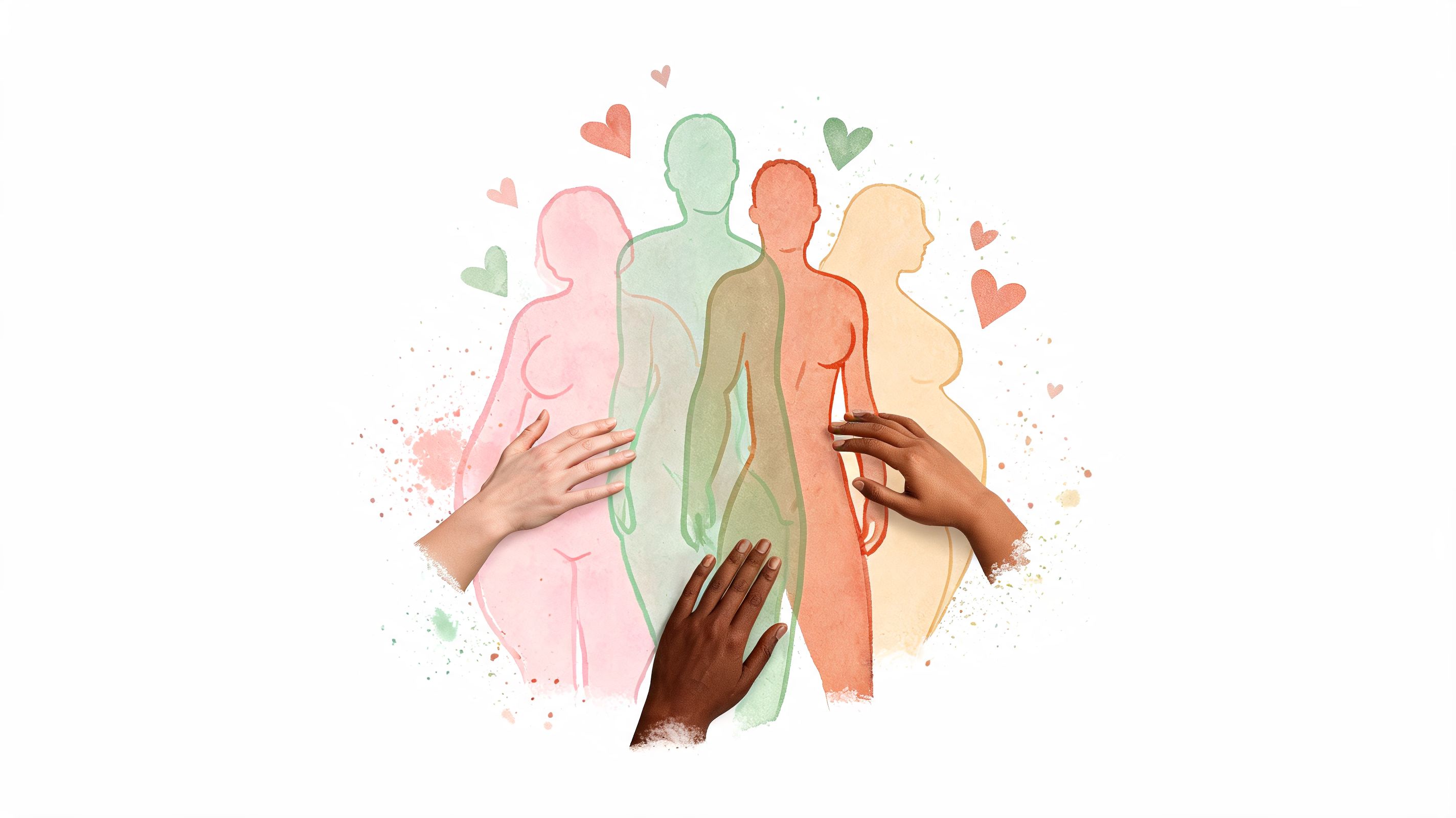
This affirmation helps interrupt body-checking. It shifts attention away from constant visual evaluation and toward steadier self-respect. On some days, "love every part" will feel natural. On harder days, it may feel out of reach. Use the phrase anyway, but adjust the standard. Respect is enough to keep the practice honest.
As noted earlier, many people find it easier to recognize beauty in others than in themselves. That gap matters. Repeating this affirmation trains a different mental habit. Instead of scanning for what needs fixing, you practice noticing what your body does, holds, and carries for you.
Make the affirmation believable
If "every part" feels too broad, get specific. Say, "I appreciate my legs for carrying me," or "I honor my stomach for protecting and sustaining me." Specificity lowers resistance. Your mind accepts a concrete truth faster than a sweeping statement it does not yet trust.
I Become proves its usefulness as more than a reminder app. In Write mode, name one body part and one function you value. In Speak mode, repeat the affirmation while getting dressed or after a shower, when criticism tends to get louder. In Listen mode, play it during the part of the day when you usually compare your body to other people's.
If you'd like more phrases that center body respect and acceptance, positive body affirmations for daily practice can give you more language to rotate in.
Some days body love feels available. On harder days, aim for body respect. Respect still changes the conversation.
Use this affirmation before getting dressed, after exercise, or before opening social media. It also works well for people rebuilding trust with their bodies after years of criticism, including athletes, new parents, and anyone recovering from appearance-based self-talk. The goal is not forced positivity. The goal is a daily ritual that makes your inner voice less hostile and more habitable.
5. My Beauty Comes from My Unique Authenticity
Comparison is one of the fastest ways to drain beauty from your own experience of yourself. Not because someone else is beautiful, but because comparison trains your mind to treat uniqueness like a problem that needs correcting.
This affirmation works well for people who've spent years trying to become more acceptable, more polished, more filtered, more likeable. It reminds you that beauty gets stronger when it looks inhabited. Not copied.
Where this one helps most
Use it when you're getting ready to be seen. That might mean posting a photo, going on a date, walking into a room, or wearing something that feels more like you than usual. This isn't only about appearance. It's about dropping the exhausting performance of trying to match someone else's formula.
A practical example is someone reducing filtered selfies and noticing how strange unedited images feel at first. That discomfort doesn't mean authenticity is wrong. It usually means your eyes have adapted to artificial standards. This affirmation helps recalibrate that.
Try these small moves inside I Become:
- Social media timing: Schedule this affirmation around the time you usually scroll and compare.
- Style experiments: Use Speak mode before wearing a look that feels more personal and less trend-driven.
- Journal prompt: In Write mode, finish the sentence, "What makes my beauty unmistakably mine is..."
This phrase is especially grounding for creatives, people with nontraditional features, and anyone healing from perfectionism. The trade-off is that authenticity can feel less immediately rewarding than approval. But over time, it creates a more stable kind of confidence.
6. I Nourish My Body and It Shows in My Appearance
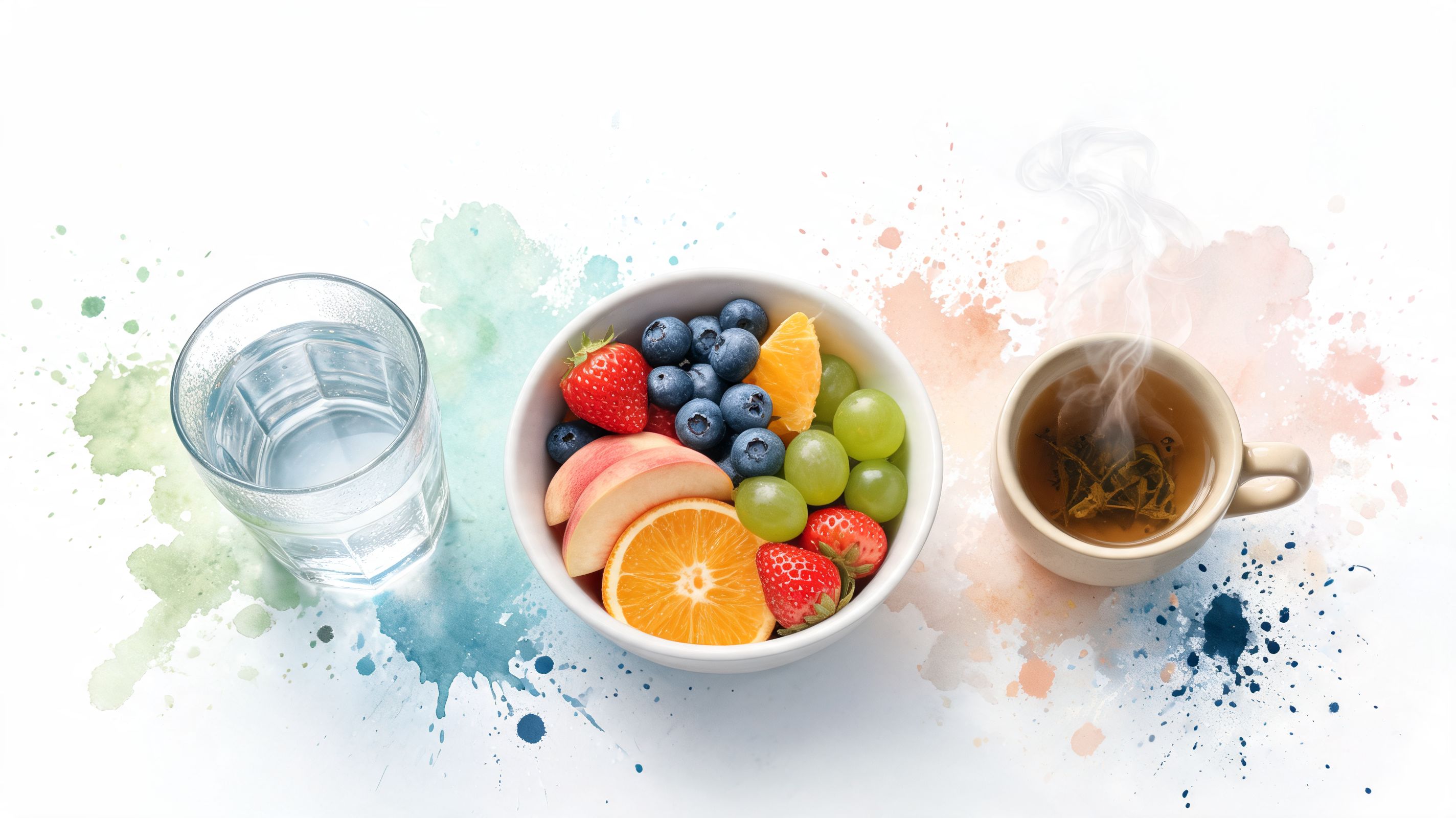
This affirmation connects beauty to care instead of control. That's why it's practical. Sleep, food, hydration, movement, and rest affect how you feel in your skin, your posture, your energy, and your expression.
It also keeps beauty work from becoming purely cosmetic. You stop asking, "How do I fix how I look?" and start asking, "What support does my body need today?" That shift is powerful because it leads to actions you can repeat.
Let behavior do part of the believing
This is one of those affirmations that gets stronger when paired with visible habits. Drink water after the notification. Go to bed a little earlier. Eat the meal that stabilizes you instead of the one that leaves you depleted. Small follow-through makes the words feel more honest.
A useful pattern in I Become is to pair the affirmation with one concrete action. Morning reminder, drink water. Midday reminder, take a movement break. Evening reminder, start winding down.
Words help most when they point you toward care you can actually deliver.
This is a strong fit for busy professionals and students because it doesn't require a long ritual. It asks for consistency, not intensity. If you want to write after each prompt, keep it short. "Today I nourished myself by..." is enough.
The trap here is treating nourishment like a beauty punishment in disguise. If the underlying message is "I must earn looking good," the practice gets brittle. If the message is "my body responds to care," it tends to become sustainable.
7. I Am Worthy of Care, Attention, and Beauty Practices
Some people don't struggle with affirmations for beauty because they dislike beauty. They struggle because they feel guilty taking up time, money, or attention for themselves. This phrase speaks directly to that.
It gives permission. Permission to moisturize slowly. To book the haircut. To spend ten minutes getting ready because it helps you feel present. To rest before your face shows the cost of constant stress. Self-care isn't vanity when it's rooted in self-respect.
Worthiness first, routine second
This affirmation helps caregivers, parents, people in demanding jobs, and anyone who's learned to put themselves last. If that's you, start with one small act of care right after the affirmation. Not a whole makeover. Just one act that says, "I count too."
Place your hand on your chest in Speak mode and say the words gently, not like a command. Then follow with action. Apply the serum. Light the candle. Sit down while doing your skincare instead of rushing through it.
If guilt tends to show up whenever you prioritize yourself, the mindset support in how to achieve self-love fits naturally with this practice.
- Use it before self-care time: Let the affirmation come right before the window you usually talk yourself out of.
- Tie it to spending shame: Repeat it before purchasing a practical beauty item you've been denying yourself out of guilt.
- Keep it modest: One intentional act done consistently changes more than rare, elaborate routines.
This affirmation is often the missing piece. People know what routine would help them, but they don't believe they're worth the effort. Once that starts shifting, the rest becomes easier to maintain.
7 Beauty Affirmations Comparison
| Affirmation | 🔄 Implementation Complexity | ⚡ Resource Requirements | 📊 Expected Outcomes | 💡 Ideal Use Cases | ⭐ Key Advantages |
|---|---|---|---|---|---|
| I Am Beautiful Inside and Out | 🔄 Low, simple daily recitation and mirror practice | ⚡ Minimal, time, app notifications, optional journaling | 📊 Moderate, broader self‑esteem gains across inner & outer domains in weeks | 💡 Morning routines, pre‑event prep, general daily confidence | ⭐ Holistic and versatile; counters perfectionism |
| My Skin Glows with Health and Radiance | 🔄 Low, pairs with skincare rituals; needs consistency | ⚡ Low–Moderate, skincare products, time, photo tracking | 📊 Targeted, motivates routine adherence and visible skin improvements | 💡 Skincare journeys, dermatology treatment support, hydration focus | ⭐ Encourages consistent care; reframes radiance as health |
| I Radiate Confidence and Natural Beauty | 🔄 Medium, requires behavioral practice (posture, voice) | ⚡ Minimal, practice time, speak mode; optional coaching | 📊 High, noticeable impact on presence and social perception over time | 💡 Professionals, public speakers, social situations, interviews | ⭐ Builds authentic confidence; reduces reliance on external validation |
| I Celebrate and Love Every Part of My Body | 🔄 Medium, often needs journaling and reflective work | ⚡ Low–Moderate, journaling, reflective practices, possible therapy | 📊 Strong, improved body acceptance and reduced comparison with practice | 💡 Body image recovery, parents modeling positivity, athletes | ⭐ Addresses root self‑criticism; supports sustainable self‑love |
| My Beauty Comes from My Unique Authenticity | 🔄 Low–Medium, practice plus reducing comparison habits | ⚡ Low, journaling, style exploration, curating social media | 📊 Moderate, increased authenticity and reduced social comparison | 💡 Creatives, social media users, those feeling outside norms | ⭐ Liberating; empowers self‑expression over conformity |
| I Nourish My Body and It Shows in My Appearance | 🔄 High, requires sustained habit change across domains | ⚡ Moderate, nutrition, sleep/exercise tracking, time investment | 📊 Tangible, visible results typically in 2–8 weeks with consistency | 💡 Wellness enthusiasts, habit‑stackers, busy professionals | ⭐ Connects habits to visible outcomes; practical and sustainable |
| I Am Worthy of Care, Attention, and Beauty Practices | 🔄 Medium, involves shifting deep worthiness beliefs and actions | ⚡ Low–Moderate, time, scheduling, possible budgeting or therapy | 📊 Meaningful, improved self‑care adherence and reduced guilt over time | 💡 Caregivers, parents, people‑pleasers, those reclaiming self‑care | ⭐ Permission‑giving affirmation; increases investment in self care |
Bring Your Beauty Affirmations to Life
What would change if your beauty affirmations showed up at the exact moment you usually criticize yourself?
That is the difference between reading a list and building a practice. Affirmations help most when they interrupt an old thought pattern in real time, then give your mind a better script to repeat. The goal is not to force fake positivity. The goal is to make self-respect easier to access during ordinary moments, like getting ready, checking your reflection, or scrolling social media.
Personal wording matters. A beauty affirmation works better when it feels believable enough to say without resistance. If a phrase feels too far from what you can accept today, adjust it. “My skin deserves patience and care” often lands better than a line that feels polished but emotionally distant. In my experience, people stay with the practice longer when the wording feels honest, specific, and kind.
If this feels awkward, that makes sense. Beauty beliefs are usually shaped over years, so a new sentence will not erase them in one week. What it can do is create a small pause between the trigger and the old judgment. That pause is where change starts.
I Become helps turn that pause into a routine you can keep. Save your own affirmations, set reminders for times that tend to be difficult, and choose the practice mode that fits your energy that day. Read mode helps when you want something simple. Speak mode is useful for mirror work. Listen mode works well during a commute or walk. Write mode helps you catch recurring patterns and replace them with language that is more supportive.
Use it in a concrete way. Set one affirmation for the morning, one for the part of the day when comparison usually spikes, and one for the evening when you are winding down. If you tend to criticize your appearance while getting ready, place “I radiate confidence and natural beauty” in Speak mode. If your self-talk gets harsher after a long day, use the Lock Screen widget with “I am worthy of care, attention, and beauty practices” so the reminder appears before the spiral starts.
This is how affirmations become useful. They stop being nice words and start becoming cues, repetitions, and choices that slowly retrain attention.
You do not need perfect confidence to begin. You need a practice gentle enough to repeat tomorrow.
If you're ready to turn affirmations for beauty into a real daily ritual, download I Become on iPhone. It gives you personalized affirmations, gentle notifications, Lock Screen widgets, and four simple practice modes so your self-talk can change in the moments that matter.
Found this helpful? Share it with someone who might benefit.