
8 Positive Body Affirmations to Shift Your Mindset
Discover powerful positive body affirmations to build self-love. Learn how to practice them daily to transform your relationship with your body.
Your Body Is Listening. Let’s Change the Conversation
The first thought you have when you catch your reflection matters. For a lot of people, that thought isn’t neutral. It’s a quick scan for flaws, a comparison you didn’t ask for, or a familiar line of criticism that arrives before you’ve even had your morning coffee.
That inner dialogue doesn’t stay in your head as harmless background noise. It shapes how you dress, how you move, how you eat, how you show up in photos, and sometimes how fully you let yourself participate in your own life.
Positive body affirmations can help change that conversation. Not by forcing fake confidence. Not by demanding that you adore every part of yourself overnight. They work best as a steady practice of redirecting attention, softening harsh thought loops, and building a more respectful relationship with your body.
There’s real science behind that repetition. Research summarized by MentalHealth.com notes that daily affirmation exercises can help the brain form new neural pathways linked to positive thinking, while self-affirmation practices have also been associated with decreased cortisol production and broader gains in well-being and openness to behavior change in some settings (the science of affirmations).
That matters because body image isn’t just about mirrors. It’s also about stress, self-worth, and the habits your mind returns to when you’re tired, rushed, or emotionally raw.
The affirmations below are simple on purpose. Each one gives you a different doorway into body respect. And because words only help when you use them, each section also includes a practical way to bring that affirmation into daily life with tools like notifications, Lock Screen widgets, and the Read, Speak, Listen, and Write modes in I Become.
1. I am grateful for what my body can do
When body image feels shaky, appearance becomes the whole story. This affirmation breaks that pattern by shifting attention to function.
Your body breathes while you sleep. It digests your food. It heals cuts. It carries groceries, hugs people you love, gets you through deadlines, and makes ordinary life possible. Gratitude for function doesn’t erase insecurity, but it gives your mind a stronger place to stand.
Use it when you’re moving
This affirmation lands best when your body is doing something tangible. Say it after a walk. Use it after stretching. Repeat it when you finish carrying your laundry upstairs and catch yourself criticizing your legs instead of appreciating them.
In practice, this sounds more grounded when you make it specific:
- After exercise: “I’m grateful my body let me move today.”
- After rest: “I’m grateful my body knows how to recover.”
- During stress: “I’m grateful my body keeps supporting me, even when I’m overwhelmed.”
That specificity matters. Generic affirmations can feel hollow when they’re disconnected from lived experience. A gratitude-based statement tied to something your body did often feels more believable.
Your brain responds better when the affirmation matches something you can verify in real time.
Make capability visible
Busy people usually don’t need more motivation speeches. They need cues. I Become can be useful here. Set this affirmation in Speak mode for right after a workout, a walk between classes, or the end of a long workday. Saying it aloud changes the tone from abstract thought to active acknowledgment.
If writing helps you absorb things more, add one sentence in the evening about what your body helped you do that day. Maybe it got you through a presentation. Maybe it let you dance in your kitchen. Maybe it got you out of bed when things felt heavy. All of that counts.
A good trade-off to understand here is that this affirmation won’t always create a rush of confidence. Sometimes it creates something quieter, which is respect. That’s often more stable than hype.
Real life example. Someone who usually treats movement as punishment can use this line after yoga or strength training and start connecting exercise with appreciation instead of correction. Over time, that changes why they move, not just how often they do.
2. My body is worthy of love and respect, exactly as it is
You catch your reflection while getting ready, and the criticism starts before you’ve even chosen a shirt. That is the moment this affirmation is for.
“My body is worthy of love and respect, exactly as it is” speaks to a problem deeper than appearance. Many people have learned to treat worth like a prize they get later, after weight loss, clearer skin, more discipline, or a more flattering photo. This statement interrupts that condition and replaces it with a healthier standard.

Use it at the point of friction
This affirmation works best in real-life flashpoints, not as a nice sentence you save for calm moments.
Use it:
- While getting dressed: especially when one outfit after another starts to feel like proof that something is wrong with your body
- Right before looking at photos: so the affirmation comes first, not the critique
- On a hard body image day: as a pattern interrupt that stops the spiral early
Timing matters. Repeating an affirmation after the shame cycle is already in full swing can still help, but saying it at the first moment of tension gives you a better shot at changing the next choice.
Respect is a practical standard
Love can feel out of reach on difficult days. Respect is often more usable.
Respect looks like feeding yourself regularly instead of “making up” for eating. It looks like buying clothes that fit your current body, stepping away from content that leaves you feeling smaller, and refusing to speak to yourself in ways you would never use with someone you care about. That is why this affirmation works for people who do not feel ready for full body confidence yet. It asks for fair treatment first.
There is a trade-off here. This phrase may not create an instant emotional shift. It may feel neutral at first. In practice, neutral can be progress. A steady reduction in self-attack usually changes behavior more reliably than a quick burst of motivation.
If the sentence feels too far from what you believe, adjust the practice without abandoning it. Start by asking, “What would respecting my body look like today?” That question lowers resistance while keeping the core message intact. If you want more support connecting self-worth to everyday habits, pair this with practical guidance on how to achieve self-love.
Make the affirmation do something
A useful affirmation should lead to an action. Otherwise it stays abstract.
In I Become, this is a strong fit for Write mode. Type the affirmation once, then follow it with one concrete step for the day. Drink water before your afternoon crash. Wear the clothes that fit. Delete the photo only if you want to, not because shame pushed you to. That structure is what helps the words stick. You are not just repeating a belief. You are training your mind to connect the belief with behavior.
Practical rule: If an affirmation starts an argument in your head, make it more believable and more actionable.
Over time, that is how this line becomes more than a comforting sentence. It becomes a way of treating your body that you can return to, even on the days when kindness does not come naturally.
3. I choose to celebrate my body’s uniqueness
Comparison trains you to see difference as deficiency. This affirmation retrains that reflex.
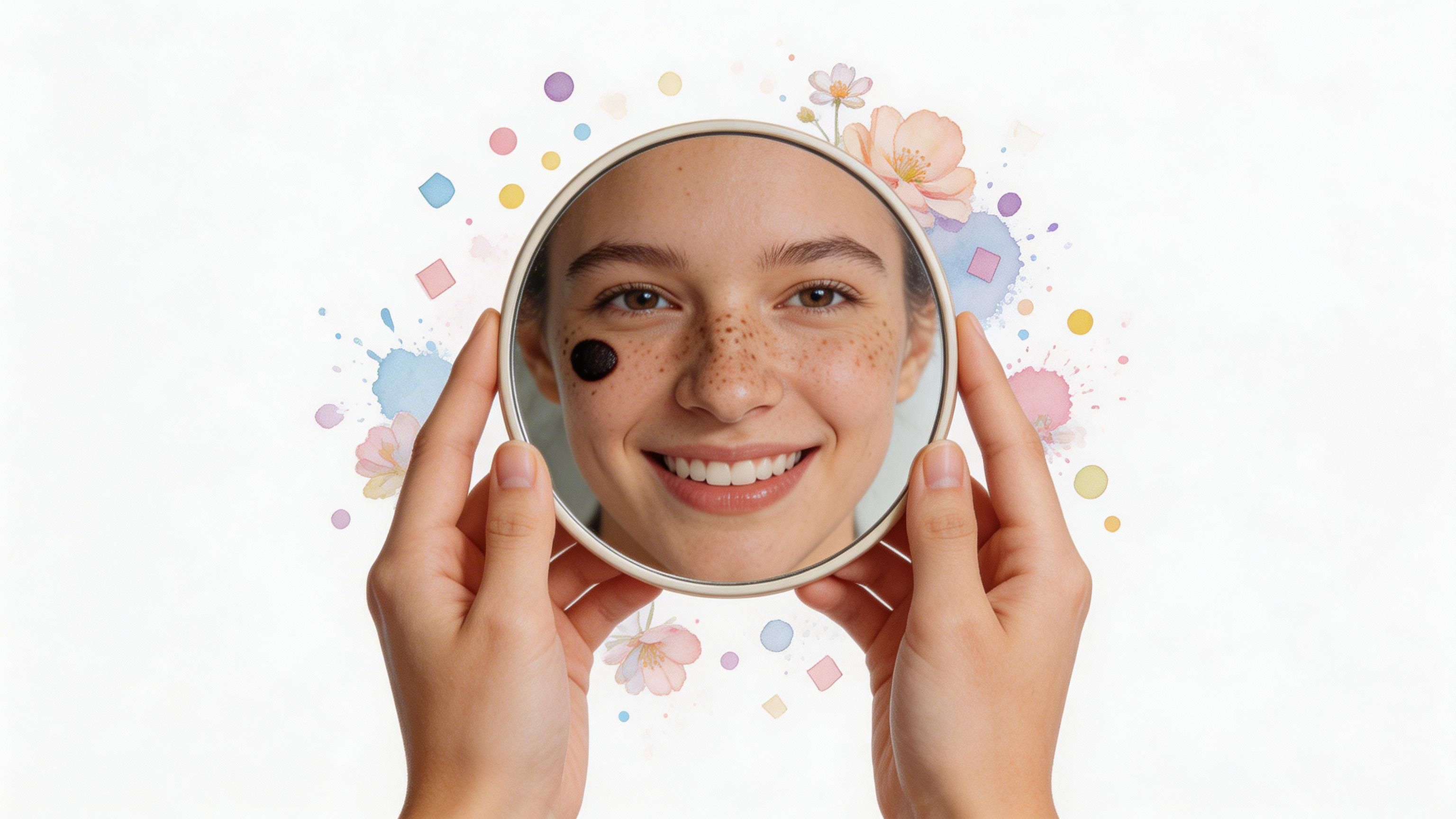
Not every feature needs to be “fixed” into sameness. Freckles, scars, soft stomachs, broad shoulders, curly hair, stretch marks, strong thighs, round cheeks, and all the other details people learn to hide can become part of a more honest relationship with the body you live in.
Uniqueness is easier than perfection
A lot of positive body affirmations fail because they still chase a polished ideal. This one doesn’t. It gives you permission to stop grading your body against a template.
For many people, that shift starts on social media. You scroll for a few minutes, and suddenly your face, shape, skin, or proportions feel wrong. The issue usually isn’t that your body changed in five minutes. It’s that your attention got hijacked by comparison.
This affirmation is most effective when you pair it with one concrete act of individuality. Wear the outfit you usually avoid because it shows your arms. Leave your natural texture alone for the day. Stop covering a feature just because you assume it needs correction.
Build a personal cue around it
I like this one in Read mode because it invites reflection. Put it on a Lock Screen widget and let it interrupt the visual sameness that the rest of your phone often reinforces.
Then add a small daily prompt:
- Notice one feature: Pick something distinct about your body or face.
- Name its value: Not “Is it attractive?” but “What makes it mine?”
- Repeat without editing: Read the affirmation once more and stop there.
This can be especially grounding for people who feel pulled into aesthetic trends and constant self-revision. Celebration doesn’t have to mean performing confidence. Sometimes it just means refusing to erase yourself.
A real-world example is someone who always filters every selfie before sending it. Practicing this affirmation might look like sharing one unfiltered photo with a trusted friend, or keeping it for yourself without deleting it. That’s still progress.
The trade-off is that celebrating uniqueness can feel vulnerable. It asks you to release the fantasy that fitting in will finally make you safe. But it also creates relief. You stop spending so much energy trying to become less yourself.
4. I nourish my body with kindness and compassion
If your self-care is secretly powered by punishment, this affirmation will expose it fast.
A lot of people say they want to be healthier, but the tone underneath is harsh. They’re exercising to compensate. Eating to control. Resting only after they’ve “earned” it. This affirmation changes the motivation from correction to care.
Kindness is practical, not vague
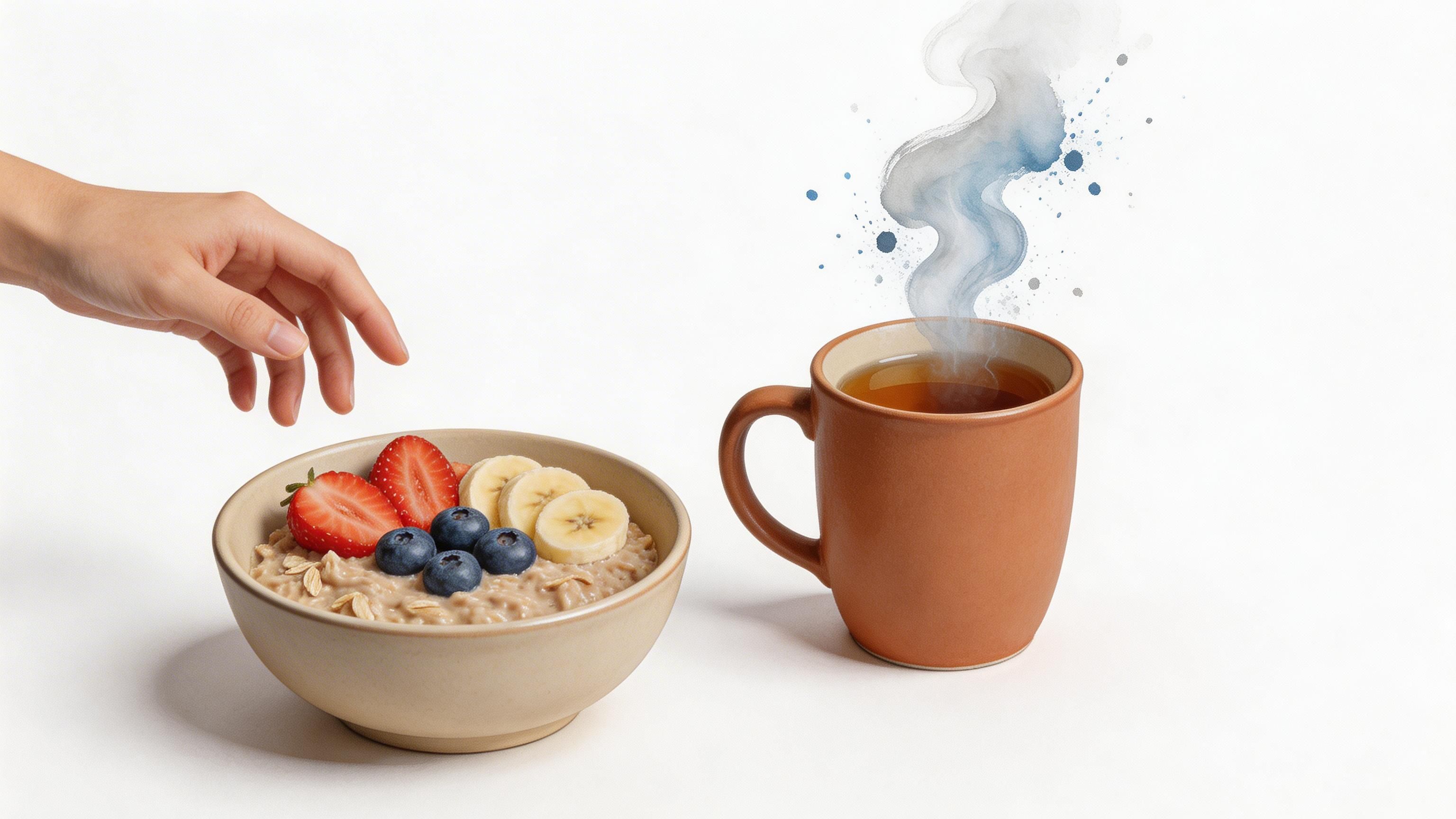
Compassion toward your body shows up in ordinary actions. Drinking water before you’re depleted. Eating a steady meal instead of swinging between restriction and ravenousness. Going to bed when you’re tired. Taking a walk because movement helps your mood, not because you’re trying to erase lunch.
This affirmation is useful because it creates a better question. Not “How do I control my body today?” but “How do I care for it?”
If you tend to disconnect from your body during busy days, Listen mode can help. Play this affirmation while making breakfast, packing lunch, or settling in for an evening wind-down. Hearing kind language during those routines makes the message easier to absorb.
Pair words with one nourishing action
Don’t make this complicated. Choose one act of care and repeat it consistently.
- Hydration: Drink water before your first meeting.
- Food: Sit down for one unhurried meal.
- Rest: Stop scrolling and go to sleep when your body asks.
- Movement: Stretch for a few minutes because it feels supportive.
In I Become, generating a few variations can keep the practice fresh without losing the core message. The daily affirmation generator is a useful starting point if you want wording that fits your current season more closely.
A helpful real-life scenario here is the student or professional who skips meals, pushes through exhaustion, and calls it discipline. This affirmation interrupts that pattern. It reminds you that self-neglect isn’t a badge of honor.
There’s also evidence that self-affirmation can support broader openness to behavior change and well-being, which is one reason compassionate affirmations often work better than shame-based self-talk over time. The key is consistency. Kindness once in a while won’t fully counter years of criticism, but repeated care begins to change the emotional climate.
5. I release comparison and embrace my own body journey
You check your phone for one minute while waiting in line. A few scrolls later, your body suddenly feels like a problem to solve.
That spiral is common, and this affirmation gives you a way to interrupt it before it runs the whole day. Comparison pulls attention away from your actual life and pushes it toward someone else’s highlight reel, styling, timing, genetics, and filters. The result is usually not motivation. It is self-surveillance.
Why this affirmation works
“I release comparison and embrace my own body journey” shifts the goal from evaluation to awareness. That matters because comparison trains the mind to scan for deficits. An affirmation like this redirects the brain toward choice. You notice the trigger, name what is happening, and return to your own values.
If you want the psychology behind that pattern, this guide on the science behind affirmations and self-talk explains why repetition works better when it is tied to a specific emotional cue.
There is a trade-off here. Letting go of comparison can feel uncomfortable at first, especially if you have used it for years as a way to measure progress or control anxiety. People sometimes mistake that discomfort for failure. It usually means an old mental habit is losing its grip.
Give it a clear job in daily life
This affirmation works best when you assign it to a repeat trigger instead of waiting until you already feel awful.
Try one of these:
- Before scrolling: Set an I Become reminder a few minutes before the time you usually open social media.
- During a trigger: Use Speak mode and repeat the affirmation slowly, once or twice, until your breathing settles.
- After comparison hits: Write down the specific thought it triggered, then answer it with one grounded truth about your own body or season of life.
That last step is where the shift happens. Comparison usually attaches itself to an older fear, such as “I’m behind,” “I’m not attractive enough,” or “I should look different by now.” Once the fear is visible, it becomes easier to challenge.
A practical example helps. Someone follows fitness or beauty creators for inspiration, but every session leaves them more critical of their body. In that case, releasing comparison may mean muting accounts, changing what shows up in the feed, or setting a shorter app limit. Those are not dramatic gestures. They are smart environmental changes that protect attention.
This affirmation is not about pretending envy never shows up. It is about catching comparison early, reducing exposure when needed, and returning to your own pace with less shame. Over time, that practice turns body trust from a nice idea into a repeatable skill.
6. I am strong, resilient, and capable
This affirmation is especially useful when body image struggles blend into self-doubt.
On those days, criticism about appearance often isn’t only about appearance. It’s tangled up with stress, pressure, vulnerability, and the fear that you’re not enough. This statement redirects attention toward inner resources.
Strength is not just physical
You are strong when you recover from setbacks. You are resilient when you keep showing up for therapy, work, parenting, school, or healing. You are capable when you handle discomfort without collapsing into self-attack.
That’s why this affirmation can be powerful before challenging moments like a presentation, a difficult conversation, a first day, or a social event where you feel exposed.
Research also supports the broader idea that self-affirmation can change how people relate to body-based evaluation. In a randomized controlled trial with 220 adolescents, girls who completed a self-affirmation task focused on non-body values showed significantly greater body satisfaction and lower perceived threat from body evaluation than controls. The effect was linked to increased self-esteem and less reliance on body shape and weight as the basis of self-worth.
That’s a useful lesson. When you strengthen identity beyond appearance, body image often softens too.
Use this before the moment that scares you
I like this affirmation in Speak mode because your voice carries conviction differently than silent reading.
Try it:
- before a meeting where you usually shrink,
- before going to the gym if you feel self-conscious,
- before seeing people who tend to trigger old insecurities.
If you want more context on why repeated practice matters, science of affirmations is worth reading alongside this one.
A practical way to deepen the effect is to connect the statement to evidence from your own life. After saying “I am strong, resilient, and capable,” add one proof line such as, “I handled something hard last week,” or “I’ve survived every difficult day so far.”
That prevents the affirmation from floating away as empty positivity. It becomes anchored in memory.
7. I honor my body’s needs and listen to its wisdom
Some body image pain comes from fighting your body. This affirmation invites a different relationship. One based on listening.
That includes physical signals like hunger, fullness, tension, fatigue, and overstimulation. It also includes emotional signals. The body often notices stress before the mind has words for it.
A lot of people have spent years overriding those cues. They ignore exhaustion, dismiss discomfort, push through anxiety, and eat or move according to rules that don’t match what they need. Honoring the body’s wisdom is a way back to trust.
Listening is a skill
It rarely appears all at once. You build it through short check-ins.
Ask yourself:
- Energy: Am I tired, wired, or steady?
- Body: Where am I holding tension right now?
- Needs: Do I need food, water, movement, rest, warmth, quiet, or support?
Use this affirmation during a pause, not while multitasking. Listen mode in I Become works well during a few minutes of stillness, commuting, or after you silence your notifications for a reset.
A small but meaningful body-focused intervention also supports the value of consistency. In a 2012 controlled intervention study, a female participant with high body dissatisfaction practiced daily positive body affirmations for four weeks by recording one liked aspect of herself each day. That period showed the highest average body confidence score, around 15 out of 35, and outperformed both baseline and a physical activity period in that single-subject design. It’s a limited study, but the protocol is useful. Daily self-recording appears to matter.
Create quiet enough to notice yourself
Use this short video as a companion when you want to slow down and reconnect.
Then write one sentence in your notes or in Write mode: “My body is asking for ___ today.”
“Listening to your body often starts with noticing what you keep overriding.”
A real-life example is the person who calls themselves lazy when they’re exhausted, or “undisciplined” when they’re emotionally overloaded. This affirmation helps separate need from judgment. That alone can be healing.
8. I am worthy of taking up space exactly as I am
You walk into a room and your first instinct is to make yourself smaller. You choose the edge seat, pull at your clothes, lower your voice, and hope no one looks too closely. That habit can feel automatic, especially if body shame has been riding alongside you for years.
This affirmation interrupts that pattern. It reminds you that your body is not an inconvenience, and your presence does not need a justification.
Body image shows up in posture, volume, eye contact, and the way you let yourself be seen. If you treat your body like a problem to manage, you may start treating your whole self that way too. Repeating “I am worthy of taking up space exactly as I am” helps challenge that reflex at the moment it usually takes over.
What makes this affirmation effective is its real-world application. It does not stay in the journal. It follows you into photos, conversations, classrooms, dates, offices, and family gatherings. That matters, because many people still abandon themselves in such moments.
Use it before situations where you usually contract.
- Before entering a room: Stand still for one breath and say the affirmation once.
- Before speaking: Place both feet on the floor and let your voice land at its natural volume.
- While getting dressed: Choose at least one item because it feels like you, not because it hides you.
- During group photos: Stay where you are instead of slipping to the edge or volunteering to take the picture.
These small actions teach your nervous system that visibility is safe. That is often the missing step. People do not struggle only because they lack the right words. They struggle because they forget the words at the exact moment they need them.
That is why timed practice helps. In I Become, this affirmation works well as a prompt before a meeting, social plan, or event where self-consciousness tends to spike. A short reminder at the right time can shift your posture, your tone, and the story you tell yourself in a matter of seconds. The goal is not to force confidence. The goal is to make self-respect easier to access under pressure.
If this feels too exposed at first, start smaller. Sit without curling inward. Let your arms rest naturally. Take the seat you want. Answer without apologizing first.
Taking up space does not require you to be loud, bold, or constantly visible. It asks for something more honest. Let yourself exist without shrinking to make other people comfortable.
8-Point Body-Positive Affirmations Comparison
A good affirmation is not just uplifting. It needs to be believable enough to repeat, specific enough to guide behavior, and practical enough to use in the moments you usually slip into criticism. That is the difference between a phrase you agree with and one that changes how you treat your body.
This comparison helps you choose based on effort, emotional friction, and the kind of support that makes the practice stick. If you use a tool like the I Become app, treat the “Resources” column as your setup plan. Reminders, journaling prompts, voice practice, and timed cues each fit a different affirmation style.
| Affirmation | Complexity 🔄 | Resources ⚡ | Expected outcomes ⭐📊 | Ideal use cases 💡 | Key advantages ⭐ |
|---|---|---|---|---|---|
| I am grateful for what my body can do | Low. Simple daily practice with reflection | Minimal. A few minutes, optional journaling or voice mode | Greater appreciation for function, more mindful self-talk | Morning routines, after movement, recovery periods | Inclusive. Shifts attention from appearance to capability |
| My body is worthy of love and respect, exactly as it is | Moderate. Can bring up resistance, so repetition matters | Low to moderate. Mirror work, journaling, reminders | Less shame, stronger self-worth, more emotional steadiness | Therapy support, eating disorder recovery, daily grounding | Builds a base for more stable body respect |
| I choose to celebrate my body’s uniqueness | Low. Best for redirecting comparison quickly | Minimal. Personal visuals, short reflections | Less comparison, stronger sense of identity | Social media use, getting dressed, style decisions | Counters sameness pressure and supports authenticity |
| I nourish my body with kindness and compassion | Moderate. Works best when “nourish” is clearly defined | Moderate. Mealtime cues, self-care routines, tracking | More sustainable habits, less shame-driven behavior | Intuitive eating, rest routines, daily care systems | Supports whole-body care and encourages consistency through self-respect |
| I release comparison and embrace my own body journey | Moderate. Needs repeated use in trigger-heavy settings | Moderate. Notifications, journaling, account clean-up | Lower comparison stress, more long-term satisfaction | Before scrolling, after difficult social exposure, digital reset periods | Interrupts comparison loops at the moment they start |
| I am strong, resilient, and capable | Low. Simple, but it helps to tie it to a real challenge | Minimal. Short reminders, spoken repetition, streak tracking | More confidence, steadier coping, greater readiness | Stressful workdays, workouts, difficult conversations | Useful when you need immediate steadiness and forward motion |
| I honor my body’s needs and listen to its wisdom | Moderate to high. Takes time to build body awareness | Moderate. Meditation, body scans, guided prompts | Better awareness of needs, more thoughtful self-care choices | Mindfulness practice, movement, recovery, burnout prevention | Strengthens trust in internal cues and supports personalized care |
| I am worthy of taking up space exactly as I am | Moderate to high. Often pushes against old conditioning | Moderate. Reminders, boundary practice, coaching support | Clearer boundaries, more visibility, stronger self-advocacy | Social settings, leadership, identity-based healing work | Powerful for people who learned to stay small to stay accepted |
A simple way to use this table is to choose one affirmation for the next week, then match it to one support tool. If an affirmation feels emotionally charged, start with reminders or audio instead of mirror work. If it already feels believable, pair it with a daily cue and repetition will do more of the heavy lifting.
That trade-off matters. The affirmations that create the deepest change are not always the easiest to say at first. The ones with lower resistance are often the best place to build consistency, which makes the harder ones easier to hold later.
From Words to Wellness Your Affirmation Practice Starts Now
Choosing a few positive body affirmations is the easy part. Living with them long enough for them to change your inner dialogue is where the work happens.
That work doesn’t need to be intense. It needs to be repeatable.
The people who benefit most from affirmations usually aren’t the ones who wait for the perfect mood, the perfect notebook, or the perfect morning routine. They’re the ones who make the practice small enough to survive ordinary life. A Lock Screen reminder. One sentence spoken aloud in the car. A short evening reflection before bed. That’s how body respect becomes part of your actual day instead of just something you agree with in theory.
It also helps to stay honest about what works and what doesn’t.
What tends to work:
- affirmations that feel believable enough to repeat,
- statements tied to values, function, compassion, and self-respect,
- consistent use in the moments when negative self-talk usually appears,
- practical support like reminders, widgets, journaling, and audio.
What usually doesn’t work:
- forcing exaggerated phrases you don’t connect with,
- treating affirmations like magic while keeping the same comparison-heavy environment,
- expecting one repetition to undo years of criticism,
- using body affirmations as a way to suppress difficult feelings instead of meeting them.
That nuance matters. Affirmations aren’t about pretending. They’re about practicing. Sometimes the first win isn’t “I love my body.” Sometimes it’s “I noticed the cruel thought sooner.” Sometimes it’s “I didn’t follow it as far.” Sometimes it’s “I treated myself with a little more dignity today.”
That is real progress.
If you want a simple rhythm, use one that fits the shape of your day. In the morning, glance at a Lock Screen widget with “My body is worthy of love and respect, exactly as it is.” Around midday, let a notification interrupt your stress with “I release comparison and embrace my own body journey.” In the evening, use Write mode with “I am grateful for what my body can do” and jot down one concrete example from the day.
That combination works well because it covers three common pressure points. Morning appearance anxiety. Midday comparison spirals. Evening reflection.
You can also rotate the four practice modes in I Become depending on what you need. Read mode is good when you want a quick reset. Speak mode helps when your confidence feels shaky and you need to hear your own voice support you. Listen mode works well during commutes, meals, or wind-down routines. Write mode helps when you need the affirmation to sink deeper than surface repetition.
Keep your expectations gentle. You do not need to say these affirmations perfectly. You don’t need to believe every word immediately. You only need to keep returning.
A kinder body image is rarely built through one breakthrough moment. It’s built through repeated moments of interruption, compassion, and choice. One sentence. One breath. One new response where an old criticism used to live.
If you’re ready to make that practice easier to keep, download I Become from the App Store and start building your own routine today. Your body is already listening. You can give it a better conversation.
If you want positive body affirmations to become more than good intentions, I Become makes the practice easy to keep. You can personalize affirmations, view them on Lock Screen widgets, and use Read, Speak, Listen, or Write modes to fit your day. Download it from the App Store and start building a kinder relationship with your body, one repeatable moment at a time.
Found this helpful? Share it with someone who might benefit.